
Study abroad dreams can feel crushed after a visa refusal, especially when you have spent months preparing, paying fees, and telling everyone your plans. A refusal often happens because of paperwork gaps, weak financial proof, or an unclear study plan, not because you are unqualified. That shock brings stress, doubt, and fear of starting over.
The good news is that reapplying is common and fully possible when you fix the real issues. Also, this guide shows how to understand the refusal, correct mistakes, and apply again with confidence, so you move forward instead of giving up.
Understanding Why Your Study Abroad Visa Was Refused
When a study abroad visa is refused, the authorities always provide a reason in the official refusal letter. This document is your key to understanding what went wrong. Many applicants skip it or feel discouraged, but careful reading is essential. Each point in the letter shows exactly what needs correction before reapplying. Treat it as a roadmap rather than a rejection. Identifying the real problem increases your chances of success the next time.
Common Reasons for Study Abroad Visa Refusal
Visa officers generally refuse applications for specific, documented reasons. Knowing these common issues can help you target your improvements rather than guessing why your application failed.
Incomplete or Weak Documents
Applications often fail because critical documents are missing, outdated, or poorly organized. For instance, submitting an unofficial transcript or forgetting a signature on financial forms can make the officer doubt the credibility of your application. Attention to detail is key.
Financial Proof Issues
Many refusals happen when applicants fail to prove they can cover tuition and living costs. Simply showing bank statements without clear sources or leaving large gaps in funding explanations can lead officers to question your financial stability.
Unclear Study Plan or Course Choice
A vague or mismatched study plan can signal uncertainty. For example, applying for a program unrelated to your past education without a strong justification often raises doubts about your true intent to study abroad. Clear reasoning and alignment with your academic background are essential.
Doubts About Returning After Studies
Visa officers need assurance that you will return home after your course. Weak ties to your country, like an unstable employment history or missing family connections, can make them suspect you intend to overstay, leading to refusal.
Quick Research
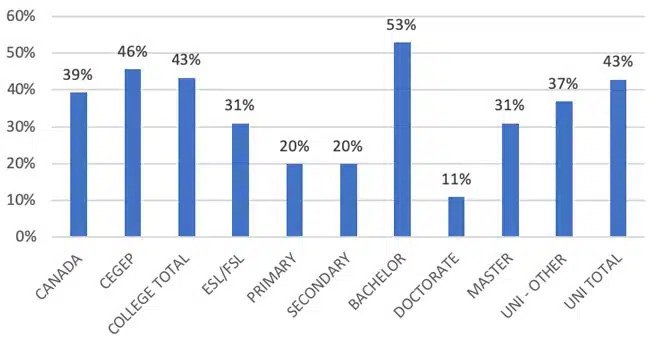
Recent data shows that bachelor ‘s-level study abroad applications face a refusal rate of about 53%. This is higher than the refusal rates for master’s and college programs. It highlights how competitive and closely reviewed undergraduate applications are. According to Monitor ICEF, bachelor applicants face the highest risk of refusal among major study levels.
Can You Reapply for Study Abroad After a Visa Refusal
A study abroad visa refusal is not the end of your journey. Reapplying is allowed in most countries, but success depends entirely on addressing the reasons for your previous rejection. Many students make the mistake of rushing a new application without fixing the underlying issues, which often leads to another refusal. Understanding when it makes sense to reapply, how to strengthen your documents, and when it’s better to wait can greatly improve your chances.
Reapplying Is Allowed
Almost every country allows applicants to submit a new visa application after a refusal. There is no permanent ban or penalty for being refused once, so you can try again if you correct the problems that caused the rejection. Knowing this can relieve a lot of stress and give you confidence to plan your next steps carefully. Reapplication is a standard part of the study abroad process, and many successful students were initially refused.
Assess the Refusal Reason
The first step before reapplying is to carefully review the refusal letter. Each reason listed in the letter is important and guides what must be fixed. For example, missing documents, unclear financial proof, or doubts about your academic plan are common issues. Understanding the exact cause of refusal helps you avoid repeating the same mistakes and allows you to target your efforts where they matter most.
Strengthen Your Application
Reapplying only works if you improve your application in a meaningful way. This includes updating your financial documents with clear sources, revising your study plan to show strong academic reasoning, and providing additional evidence of your ties to your home country. You can also include letters of recommendation or extra supporting documents that strengthen your case. A stronger application directly addresses the visa officer’s concerns and shows that you are serious about studying abroad.
Timing Your Reapplication
The timing of your reapplication is crucial. Applying too soon, without fully addressing the refusal reasons, often results in another rejection. Give yourself time to gather missing documents, improve your explanations, and make a stronger case. Some issues may require weeks, while others, such as proving financial stability, may take months. Planning the right timing can improve your credibility and increase your chances of approval.
When It Might Be Better to Wait
In some cases, immediate reapplication is not the best choice. If the refusal involved serious doubts about your intentions or your ties to your home country, take time to strengthen your profile. This could mean gaining more work experience, improving your academic records, or showing stronger family or professional connections at home. Waiting and improving your application increases the likelihood of success and demonstrates that you have addressed the officer’s concerns thoroughly.
Step-by-Step Process to Reapply After a Study Abroad Visa Refusal
Reapplying after a study abroad visa refusal works best when you follow a clear, structured approach. Each step focuses on correcting the issues highlighted in your refusal and making your application stronger and more convincing.
Review the Refusal Letter in Detail
The first step is to carefully read the refusal letter from the visa authorities. Note every reason mentioned, even if it seems minor. Highlight points about missing documents, financial concerns, or doubts about your study plan. Understanding these details is crucial because your entire reapplication strategy will revolve around addressing them thoroughly.
Fix the Exact Issues Mentioned
Once you know the reasons for refusal, focus on correcting them directly. If documents were incomplete or unclear, get official and updated versions. If the study plan was vague, rewrite it with clear goals. Avoid adding unnecessary changes; address only the issues that caused the rejection. This shows the visa officer that you have taken the feedback seriously.
Strengthen Financial Documents
Financial proof is one of the most common refusals. Make sure your bank statements, scholarship letters, or income proofs clearly cover tuition and living expenses. Include additional evidence like tax returns, sponsor letters, or official certificates to make your financial stability undeniable. A well-prepared financial file reduces doubts significantly.
Improve Your Statement of Purpose for Study Abroad
Your study plan should clearly explain why you chose your course, how it aligns with your previous education, and what your plans are after returning home. Be precise and show a logical path from your academic background to your chosen program. A strong statement demonstrates seriousness and can turn a previous rejection into approval.
Gather Updated and Stronger Documents
Finally, make sure all your supporting documents are current, accurate, and properly formatted. This includes transcripts, recommendation letters, passport copies, and any other required paperwork. Organized and complete documents not only meet the visa requirements but also show professionalism and attention to detail, which visa officers value highly.
How to Write a Strong Explanation for Reapplying For Study Abroad
When you reapply, your explanation letter plays a critical role. Visa officers expect clarity, honesty, and responsibility. Do not blame the embassy, the officer, or your agent. Instead, show that you understand the refusal and took concrete steps to fix the issues. A direct and factual explanation builds trust and shows maturity.
Acknowledge the Refusal
Start by clearly stating that your previous study abroad visa application was refused. Mention the specific reasons listed in the refusal letter. This shows that you read the letter carefully and understood the concerns. Avoid emotional language or excuses. A calm and professional tone helps the officer focus on facts, not frustration.
Explain What Has Changed
Next, explain exactly what you corrected since the refusal. If financial proof was weak, describe the new documents and funding sources you added. If your study plan lacked clarity, explain how you revised it with stronger academic reasoning. Be specific and focus only on the changes that directly answer the refusal points.
Show a Clear Intent to Study Abroad
End by clearly stating your academic goal and how this program fits your background and plans. Explain how the qualification will help you return home and grow professionally. Clear intent reduces doubt and shows that your purpose remains education, not migration.
Tips to write an explanation for reapplying
Here are practical tips to strengthen your explanation when reapplying. Follow these closely to avoid repeated refusal.
- Keep the explanation short and focused. One to two pages is enough.
- Address only the refusal reasons listed in the letter. Do not add unrelated details.
- Use clear facts and documents to support every claim you make.
- Maintain a respectful and confident tone throughout the explanation.
- Avoid emotional language, complaints, or blame toward anyone.
- Match your explanation with the documents you submit. Inconsistencies create doubt.
- Proofread carefully to remove errors and unclear sentences.
- Write in simple language so the visa officer understands your intent quickly.
Common Mistakes to Avoid When Reapplying for Study Abroad
Many second visa refusals happen because applicants repeat the same errors. Avoiding these mistakes improves your chances and shows the visa officer that you took the first refusal seriously.
Reapplying Without Fixing the Refusal Reasons
Some applicants submit a new application without correcting the issues listed in the refusal letter. This approach signals carelessness. Visa officers compare your new file with the old one, so unchanged problems lead to quick rejection. Always resolve each refusal point before reapplying.
Submitting the Same Documents Again
Resubmitting identical documents shows no improvement. If your financial proof or study plan caused concern earlier, sending the same version weakens your case. Update documents, add supporting evidence, and present stronger explanations that directly address past doubts.
Ignoring Gaps or Weak Explanations
Unexplained study gaps, employment breaks, or academic changes raise suspicion. When you ignore them, the officer fills in the gaps with doubt. Always explain breaks clearly with timelines and proof so your profile remains consistent and believable.
Rushing the Reapplication Process
Applying again too quickly often results in another refusal. Great improvements take time, especially for finances or academic alignment. Rushing shows desperation instead of preparation and reduces credibility in the eyes of the visa officer.
Writing a Defensive or Emotional Explanation
Defensive language and emotional statements damage your application. Visa officers expect clarity, not frustration. Stick to facts, show responsibility, and explain improvements calmly to build trust and professionalism.
How Long Should You Wait Before Reapplying for Study Abroad
The waiting period before reapplying depends on why the visa officer refused your application and the rules of the country you applied to. If the refusal involved missing or unclear documents, you can reapply once you submit corrected and complete paperwork. Financial refusals usually require more time, as you must show stable funds over a valid period. Refusals related to study intent or home ties demand careful preparation and profile improvement. Always reapply only after you fully resolve the refusal reasons, not based on urgency alone.
Chances of Approval After Reapplying for Study Abroad
Your chances of approval after reapplying depend on how effectively you resolve the concerns raised in your refusal letter. Visa officers do not reject applications because of past refusals. They assess whether you corrected financial weaknesses, clarified your study plan, and submitted complete and credible documents. When your new application directly answers every refusal point, it shows preparation and responsibility.
A strong reapplication also shows consistency across documents, explanations, and intent. Clear financial sources, a well-aligned academic plan, and solid home country ties reduce doubt. When you present real improvements instead of minor edits, the refusal loses its impact, and your approval chances increase significantly.
Edulitera’s Support for Your Second Chance to Study Abroad
At Edulitera, we work with students who want to study abroad and feel stuck after a visa refusal. Our team does not recycle templates or give vague advice. We also review your refusal letter line by line, check your documents with a visa officer’s mindset, and help you rebuild your application with clear logic and proof. From fixing financial gaps to rewriting a study plan that makes sense on paper, our focus stays on what actually improves approval chances, not on false promises. If you want honest guidance and step-by-step support for your next study abroad application, contact Edulitera before you reapply.
Conclusion
All in all, a visa refusal can feel discouraging, but it does not define your future. What matters is how carefully you respond to it. By understanding the refusal reasons, fixing real weaknesses, and reapplying with stronger documents and a clear intent, you improve your chances significantly. Also, patience, preparation, and honesty make the difference between another refusal and approval. With the right approach, you can move forward and achieve your goal to study abroad.
Frequently Asked Questions
Q1: Is it easy to get a visa after a refusal?
Getting a visa after a refusal is not automatically easy or difficult. Approval depends on how well you fix the refusal reasons. If you submit stronger documents, correct financial issues, and clearly explain your study intent, your chances improve. If you reapply with weak changes or the same mistakes, another refusal is likely.
Q2: What is the most common reason for visa refusal?
The most common reason for visa refusal is weak or unclear financial proof. Visa officers must feel confident that you can pay tuition and living costs without problems. Unexplained funds, sudden large deposits, or incomplete sponsor details often lead to rejection, even when academic documents remain strong.
Q3: What is the difference between a visa rejection and a refusal?
A visa refusal means the officer reviewed your application and denied it due to specific reasons listed in the refusal letter. A rejection usually happens when the application is incomplete or fails basic requirements. In both cases, you can reapply, but a refusal requires stronger corrections and explanations.
Q4: Do I have to pay any extra fee for reapplying after refusal?
You usually pay the standard visa application fee again when you reapply. Authorities do not charge a special penalty fee for a past refusal. However, you may face extra costs for updated documents, financial proof, medical exams, or professional guidance while preparing a stronger application.